
Founder & clinical educator
What if clinicians could practice judgment before the stakes were real?
BerryWell Institute began with a question about one of the hardest parts of clinical practice to teach: how clinicians learn what matters, what to prioritize, and what to do next.
The question behind BerryWell Institute
Knowledge was never the whole problem.
We teach physiology. We teach pharmacology. We teach procedures, algorithms, and standards of care.
But eventually, the clinician has to bring all of that knowledge together and decide:
What matters most for this patient, in this moment?
Across clinical practice and education, I became increasingly interested in that transition—from knowing the information to determining what the situation actually requires.
The challenge was not simply whether clinicians knew what could be done. It was how they recognized what mattered, determined what to prioritize, acted deliberately, and reassessed when the situation changed.
That question became the starting point for BerryWell Institute.
Could we give clinicians more opportunities to practice that process—to interpret a changing situation, make a decision, observe what follows, reassess, and reflect—before the stakes are real?
The idea
Some decisions are too important to encounter for the first time when the stakes are real.
Aviation has long recognized the value of giving professionals opportunities to rehearse complex situations before they encounter them in actual flight.
That idea has always fascinated me in anesthesia education.
The comparison is not that anesthesia and aviation are the same. It is the underlying principle that matters: professionals can benefit from repeated opportunities to encounter complexity, make decisions, observe consequences, and learn from what follows.
BerryWell Institute was built around that principle.
Learners encounter evolving clinical situations in which knowledge must be placed in context. They make decisions, see physiologic consequences unfold, reassess the situation, and reflect on the reasoning that shaped their choices.
BWI does not replace clinical experience.
It creates another place to practice the judgment that experience traditionally teaches over time.

From the founder
Why I built BerryWell Institute.
Clinical judgment develops through more than information alone. It develops as clinicians repeatedly encounter situations that require them to interpret, prioritize, decide, reassess, and reflect.
BerryWell Institute was created to give learners more opportunities to practice that process deliberately.


A professional doctrine behind the work
Preparing others to move forward wisely under uncertainty.
The Clinician Stewardship Model grew from a broader belief about clinical work: clinicians have a responsibility not only to make sound decisions themselves, but to prepare others to move forward with greater clarity, context, and judgment.
At its core, clinical stewardship is defined as “the duty to prepare others to move forward wisely under uncertainty.” The model extends that responsibility across relationships with patients, colleagues, and oneself, emphasizing how information, time, tools, and attention are used to support another person’s path forward.
That principle directly shapes BerryWell Institute.
Learners should not simply receive information. They should have opportunities to place information in context, recognize what matters, make decisions, observe consequences, and examine the reasoning behind what they chose.
Clinical stewardship also requires protecting the cognitive resources clinicians need for synthesis, judgment, and situational awareness. The model explicitly calls for preserving cognitive bandwidth and using supportive tools without displacing professional responsibility.
Technology should support judgment—not replace it.
Human judgment first
Technology creates the environment. The clinician does the thinking.
Technology can organize information, create practice opportunities, support preparation, and make reasoning more visible.
But it should not become the source of clinical judgment.
Within the Clinician Stewardship Model, AI is positioned as supportive and subordinate to clinician synthesis, interpretation, and accountability. Its role is to reduce unnecessary cognitive burden and preserve attention for judgment and therapeutic presence—not to displace professional responsibility.
That philosophy carries into BWI.
Dr. Baindu does not exist to tell learners what to think. The platform is designed to help learners examine what they noticed, what they prioritized, how the patient responded, and what they might carry into their next decision.
The technology supports the process.
The learner owns the judgment.

Clinician. Educator. Builder.
A clinical perspective shaped the platform.
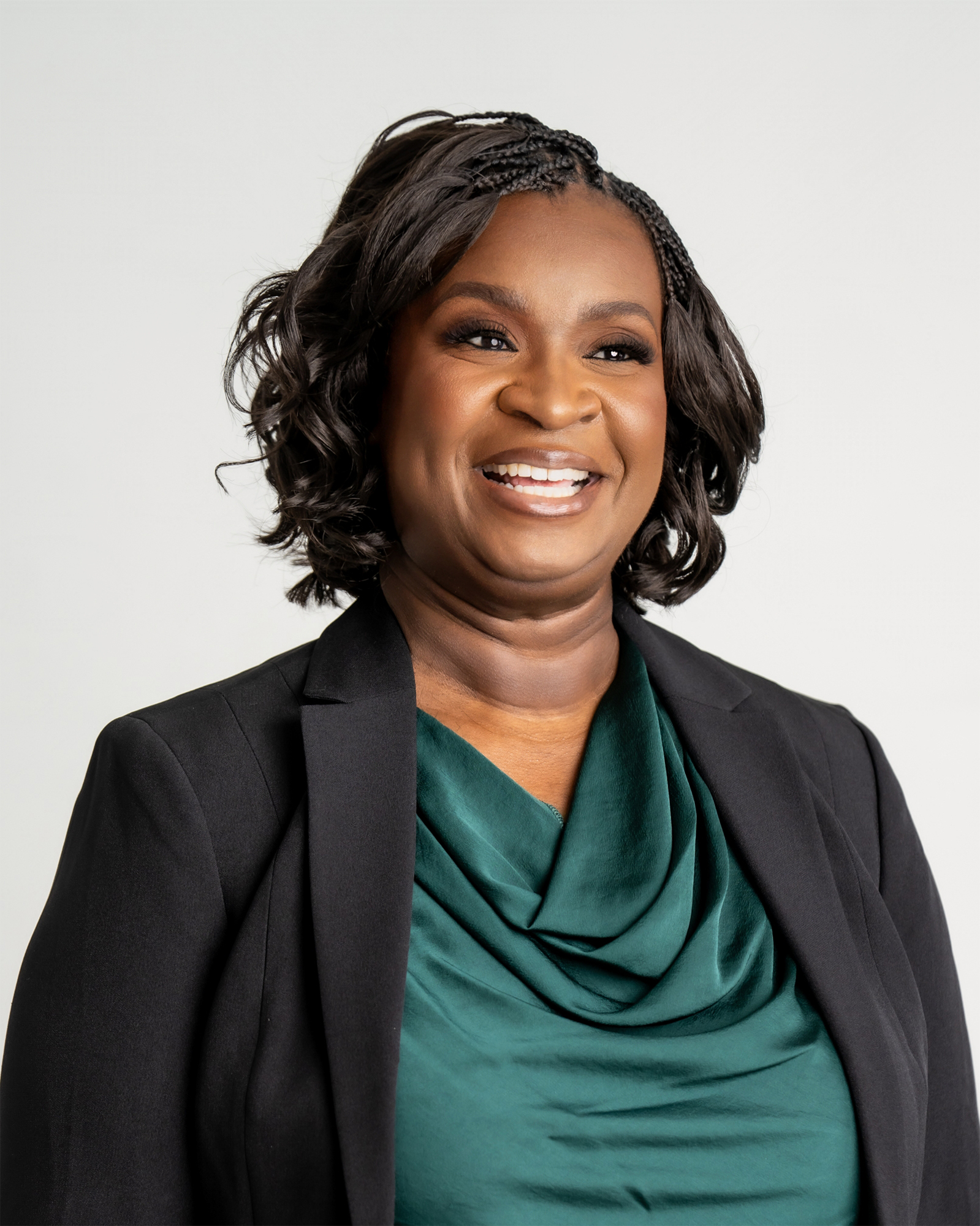
Eva H. Berry, DNP, CRNA is the founder of BerryWell Institute and a Certified Registered Nurse Anesthesiologist whose work spans clinical anesthesia practice and health-professions education.
Her interest in clinical judgment grew from observing a recurring challenge across both environments: clinicians may understand the underlying knowledge and still need experience determining what matters most when a patient’s condition is evolving.
BerryWell Institute brings those interests together through an educational model centered on patient context, clinical decisions, physiologic consequences, reassessment, and guided reflection.
The platform was designed to support—not replace—the learner’s own reasoning.
From idea to experience
The philosophy becomes the learning experience.
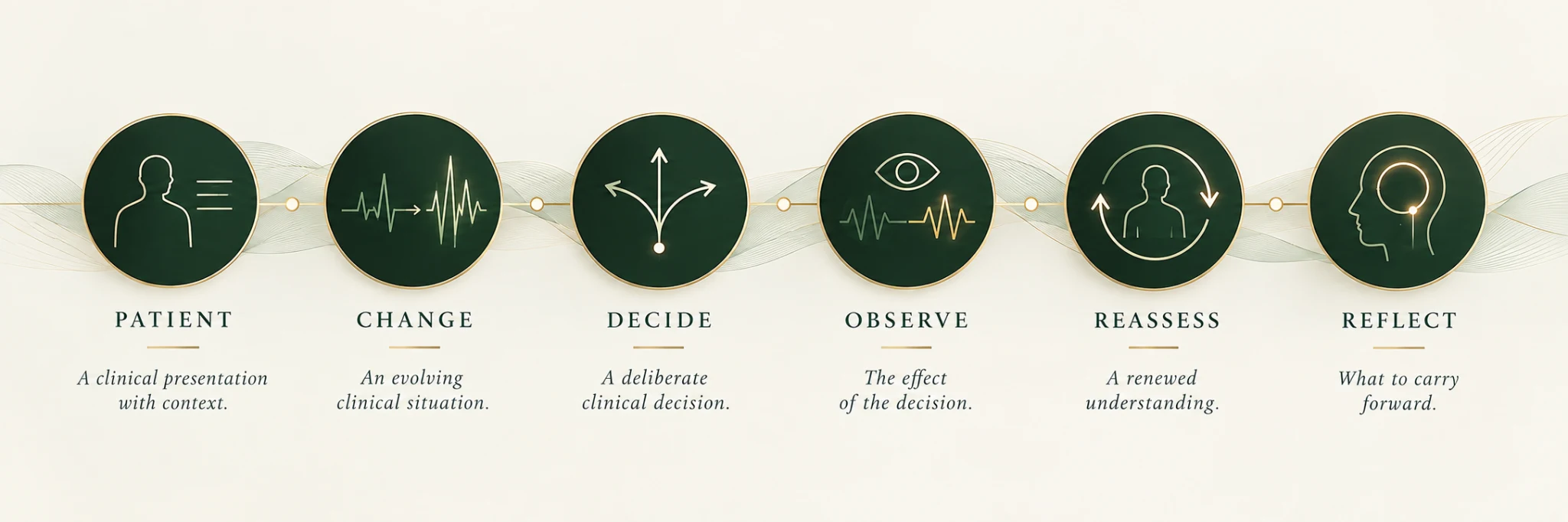
Every BWI scenario is organized around a connected clinical process:
Patient → Change → Decide → Observe → Reassess → Reflect
The goal is not simply to determine whether a learner knows an answer.
It is to create an opportunity to examine:
- what the learner noticed
- what they prioritized
- what they believed the situation required
- what they chose
- how the patient responded
- what they might carry into the next clinical decision
That is where experience begins to become insight.
Clinical judgment is cultivated
What best serves this patient in this moment?
Knowledge is essential.
But clinical judgment requires something more than recall. It requires clinicians to interpret information in context, determine what deserves attention, choose deliberately, recognize whether an intervention is working, and adjust when the situation changes.
BerryWell Institute was created to give clinicians more opportunities to practice that process.
Not to replace experience.
Not to replace judgment.
But to create another place for judgment to be exercised, examined, and refined.
See the idea in practice
Where knowledge becomes judgment.
Experience how BerryWell Institute brings patient context, evolving physiology, meaningful decisions, consequence, reassessment, and reflection into one connected learning experience.